In 2026, visual language will become the primary territory where the tensions between technology and humanity are most visible. In a landscape shaped by creative automation and the aesthetic standardization driven by artificial intelligence, there is a growing desire for authorship, imperfection, and human presence. Between efficiency and sensitivity, design will express not only visual choices but also cultural positions.
Within this context, Anti-AI Crafting is gaining momentum. Following the explosion of AI-generated content, a counter-movement is emerging that values craftsmanship and visible creative processes. Imperfections, textures, and signs of authorship become differentiators in an environment saturated with polished and increasingly similar imagery. In a world of excess, intention becomes a competitive advantage.
Another emerging movement is Hyper Bloom, which translates the desire for escapism into immersive visual experiences. Natural elements are amplified into dreamlike landscapes through soft color palettes and intentional blur effects. Images move away from precision and toward atmosphere, creating sensory refuges amid visual overload.
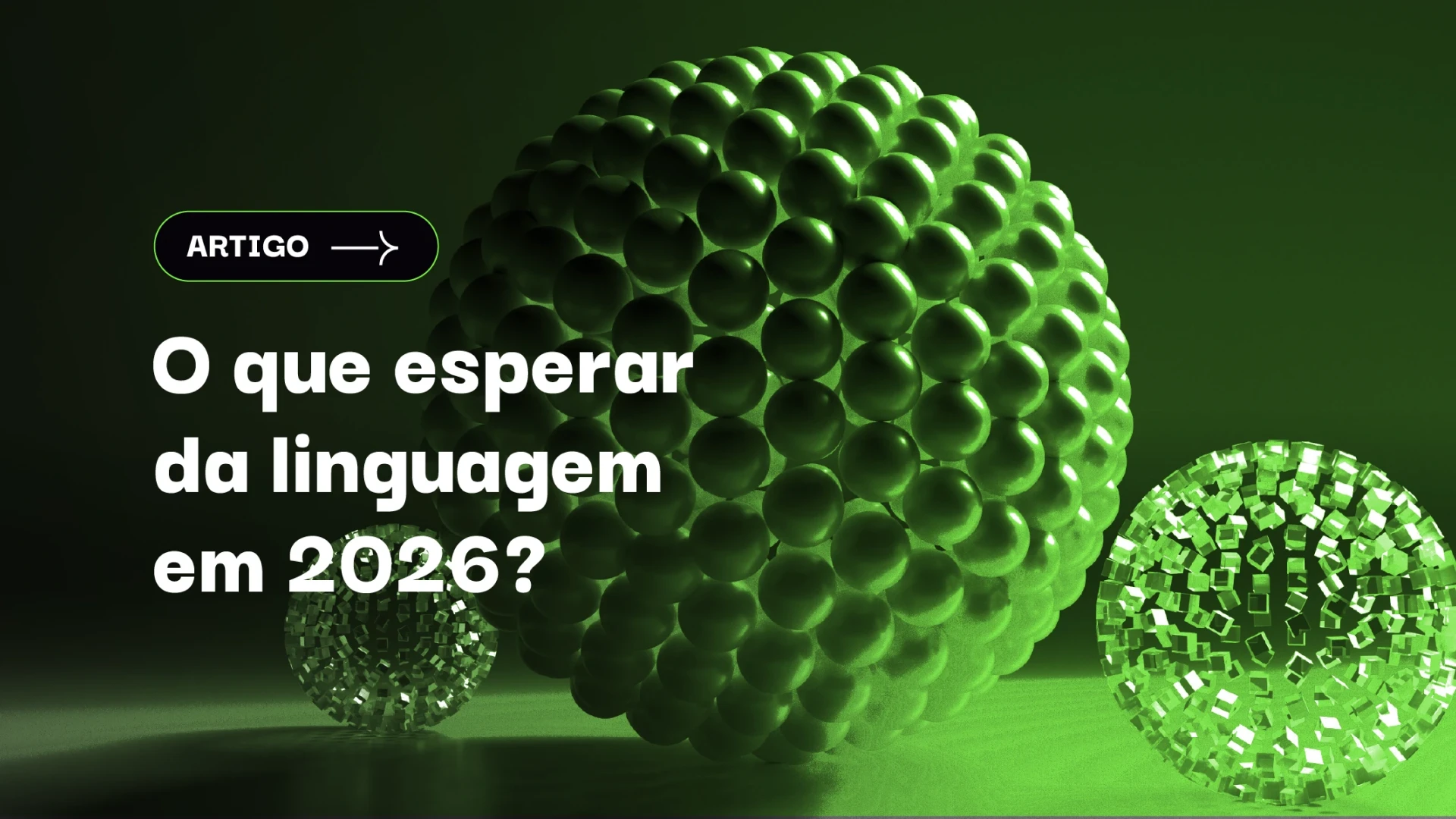
At the same time, Biomorphism explores the logic of living systems. Inspired by microscopic structures, it introduces asymmetrical forms, network-based patterns, and constantly evolving compositions. Nature is no longer represented as scenery but as a dynamic, complex, and ever-changing system.
The Era of Nostalgia continues to intensify, revisiting analog aesthetics as a response to digital saturation. Noise, grain, overlays, and references ranging from the 1970s to the early 2000s cease to be flaws and become a visual language of their own. The past is reinterpreted as sensory memory and transformed into identity.
Finally, Naïve Design emerges as an attitude rather than a style. Irregular lines, spontaneous compositions, and less polished aesthetics create a sense of closeness and break away from the rigidity of traditional visual systems. Instead of proving competence, brands increasingly seek connection, exchanging control for presence.
Against this backdrop, visual language becomes more than form. It becomes a statement of intent. For brands, the challenge is no longer simply keeping up with visual trends, but consistently translating the tensions of the present moment, balancing technology and humanity, efficiency and expression, scale and individuality.